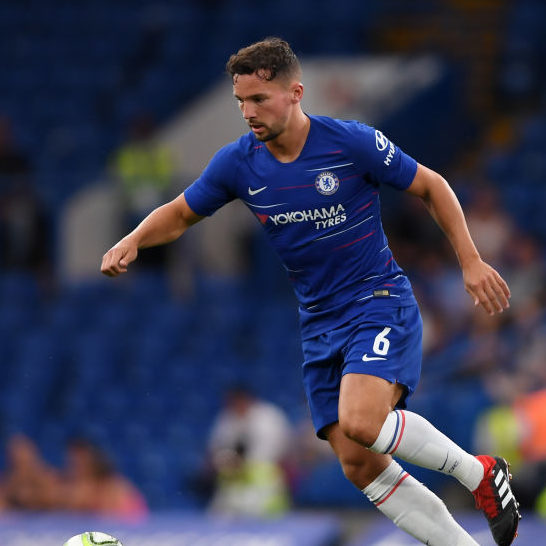

The Danny Drinkwater Chelsea story still carries a sting. Five years at Stamford Bridge gave him plenty of time to think about how it all turned out, and his own verdict is not a happy one.
Drinkwater opened up in a Truth or Padel appearance alongside David Ornstein. He said the move was one he could never have turned down, even with the benefit of hindsight. “No, I don’t regret moving. I regret, in hindsight, how it’s turned out. I think I could never turn it down,” he said.
What the overlooked numbers say about his spell
Strip away the headlines and the numbers alone tell an uncomfortable story. Drinkwater spent five years on Chelsea’s books. In that time he made just 23 appearances, according to the original interview report.
Do the maths and it barely comes to five games a year. That is a thin return for a central midfielder signed to compete for a first-team place. It is also the kind of record that rarely sits well at a club of Chelsea’s size and ambition.
Chelsea’s best attacking spells over a similar stretch of seasons look far more productive, as our striker rankings show. Set next to those numbers, Drinkwater’s five quiet years stand out even more starkly.
Five years. Twenty three games. These numbers alone explains why this transfer still gets talked about by Drinkwater, long after the headlines faded.
Why the fallout matters for Chelsea’s wider story
The numbers only tell part of the story. A string of incidents turned a quiet, underwhelming spell into something far more pointed.
Drinkwater had a training-ground bust-up while out on loan. He was also involved in an on-pitch brawl with Chelsea’s own under-23s side. Flashpoints between a first-team player and a development squad are rare at any club, let alone one with Chelsea’s standards.
Taken alone, either incident might have passed as a bad day. Taken together, it became harder to see Drinkwater simply as an unlucky squad player who could not catch a break.
The most serious moment came during his time at Aston Villa. Drinkwater headbutted team-mate Jota and was fined two weeks’ wages for it. He says the consequences at Chelsea did not stop there.
“They didn’t formally ban me, but I got removed from the first team building after the incident at Villa,” Drinkwater said.
One off-field incident, at another club, pushed him out of the manager’s day-to-day plans back home. No formal punishment at Chelsea followed. The effect was much the same.
Chelsea fans saw a similar breakdown of trust play out when Graham Potter struggled to win over the dressing room during another difficult Chelsea transition. Trust can break down fast once results or behaviour turn against the person at the centre of it.
What this interview adds to the debate around big transfers
Drinkwater’s comments matter beyond his own career. They are a reminder that saying yes to a big move does not guarantee it will work once a player walks through the door.
That tension has not gone away. Chelsea’s current transfer business, covered in our transfer watch, shows the club still weighing big calls on players whose futures depend on more than form alone.
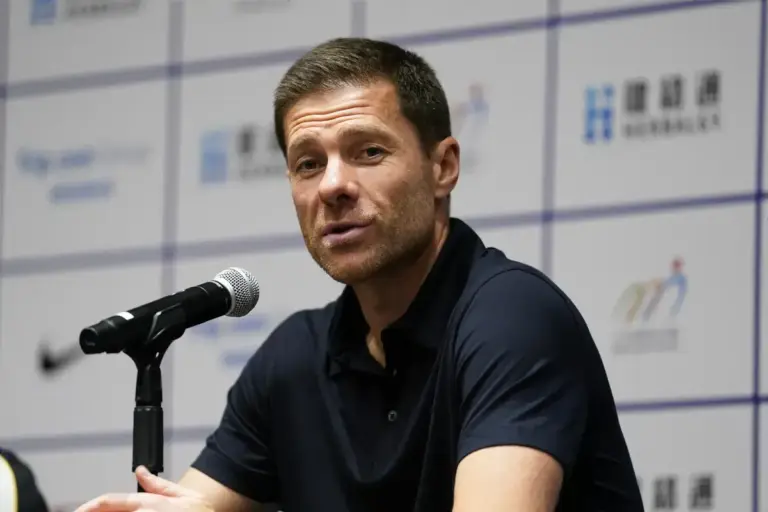
Squad management under Xabi Alonso, assessed in our bomb squad verdict, raises a familiar issue. Players who fall outside a manager’s plans rarely find a quick way back in, whether the exile is formal or not.
Drinkwater never found his way back into Chelsea’s plans after the Villa incident. His account of the Danny Drinkwater Chelsea years stands as a blunt warning. A move that looks impossible to refuse can still become one of the hardest spells of a career.

Comments.
Loading comments…